Against the backdrop of global decarbonization and stricter emissions regulations, electric heavy machinery has moved from niche applications to mainstream deployment across construction, mining, and logistics. As of 2026, the sector is defined by rapid technological maturation, shifting regional adoption patterns, and a growing focus on total cost of ownership (TCO). This article examines the latest market data, core technological enablers, and key challenges shaping the transition from diesel to electric power in heavy equipment.
According to 2026 data from the International Energy Agency (IEA) and industry analysts, the global electric heavy machinery market is projected to grow from $18.2 billion in 2026 to $87.4 billion by 2034, representing a compound annual growth rate (CAGR) of 21.7%.
Construction machinery remains the largest segment, accounting for over 62% of the market, driven by demand for electric mini-excavators, wheel loaders, and compactors in urban construction.
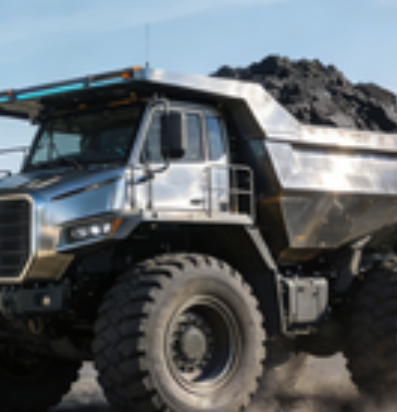
Mining equipment is the fastest-growing sub-segment, with a CAGR of 24.3%, fueled by large-scale deployments of electric haul trucks in Australia, Chile, and China.
Geographically, Europe leads in policy-driven adoption:
The European Union's Stage V emissions standards and carbon border adjustment mechanism (CBAM) have accelerated electric machinery uptake, particularly in Germany, France, and the Nordic countries, where over 38% of new heavy machinery sales are electric or hybrid.
China is the largest manufacturer and adopter of electric heavy machinery, with domestic production accounting for 57% of global output in 2026, supported by government subsidies and a robust battery supply chain.
The viability of electric heavy machinery hinges on three interconnected technological pillars:
High-energy-density batteries: Modern lithium-iron-phosphate (LFP) and nickel-manganese-cobalt (NMC) batteries now offer energy densities of up to 280 Wh/kg, enabling 8–12 hours of continuous operation for mid-sized loaders and excavators on a single charge.
Fast and opportunity charging: High-power DC charging (up to 1,200 kW) and on-site pantograph charging systems are reducing downtime, making electric machinery feasible for 24/7 operations in mining and logistics.
Vehicle-to-grid (V2G) integration: Advanced electric heavy equipment is increasingly designed to act as mobile energy storage units, supporting grid stability during peak demand and reducing operational costs through demand response programs.
Despite strong growth, the sector faces significant barriers:
Charging infrastructure gaps: Only 12% of global construction and mining sites have dedicated high-power charging for heavy machinery, limiting adoption in remote or underdeveloped regions.
Upfront cost premium: Electric heavy machinery typically costs 30–50% more upfront than diesel equivalents, although TCO parity is achieved within 3–5 years due to lower fuel and maintenance costs.
Workforce training: The shift to electric machinery requires specialized skills in battery maintenance, high-voltage systems, and software diagnostics, creating a global skills gap that industry and governments are addressing through targeted training programs.
By 2030, the industry is expected to reach a tipping point:
Hybrid powertrains will dominate mid-sized machinery, combining electric motors for low-load operations with diesel engines for heavy-duty tasks, reducing emissions by 40–60%.
Autonomous electric machinery will become mainstream in mining, with over 60% of new haul trucks expected to be fully electric and autonomous by 2030, driven by improvements in AI, perception, and edge computing.